سپید

My thoughts

برچسب: hazel-gradient

  • Celedriel

    Celedriel

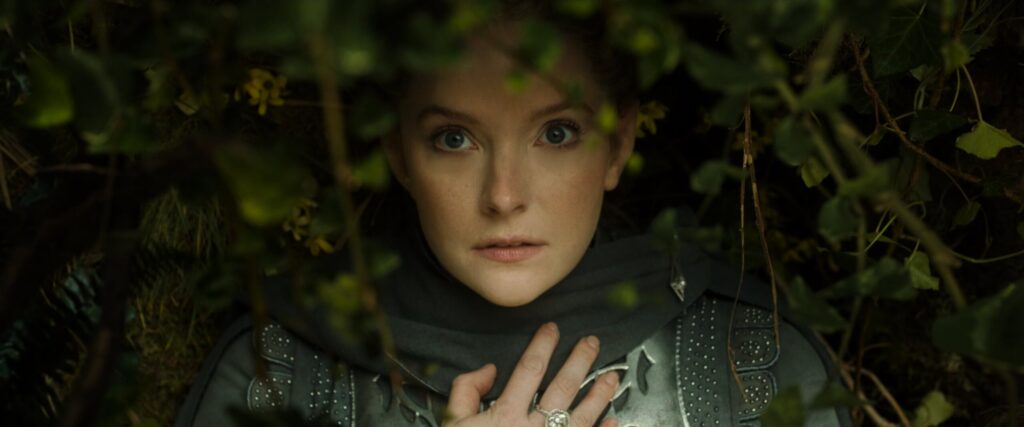
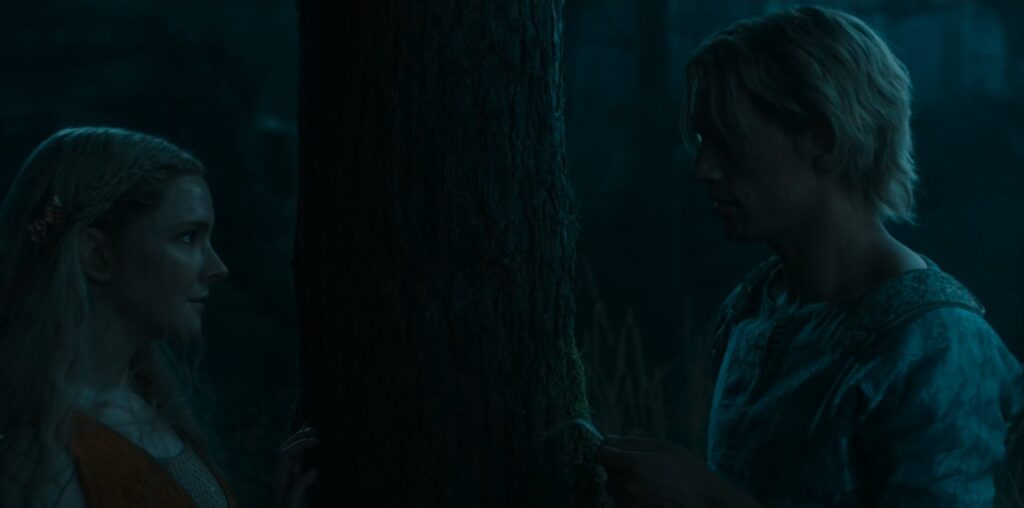
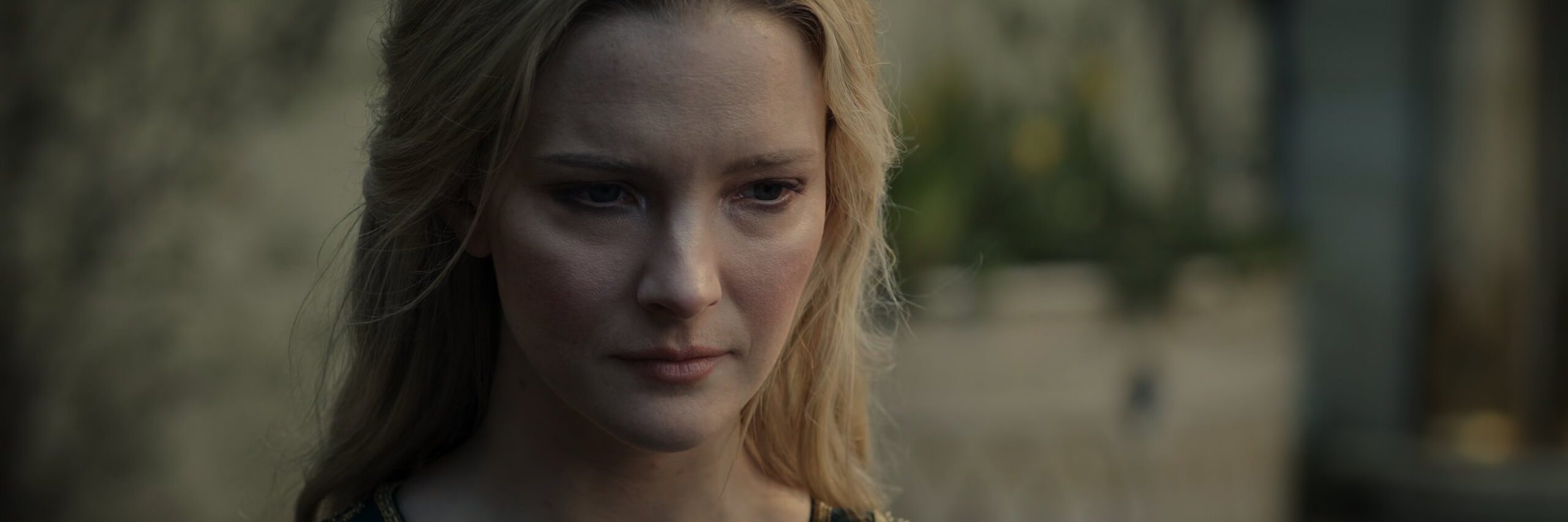
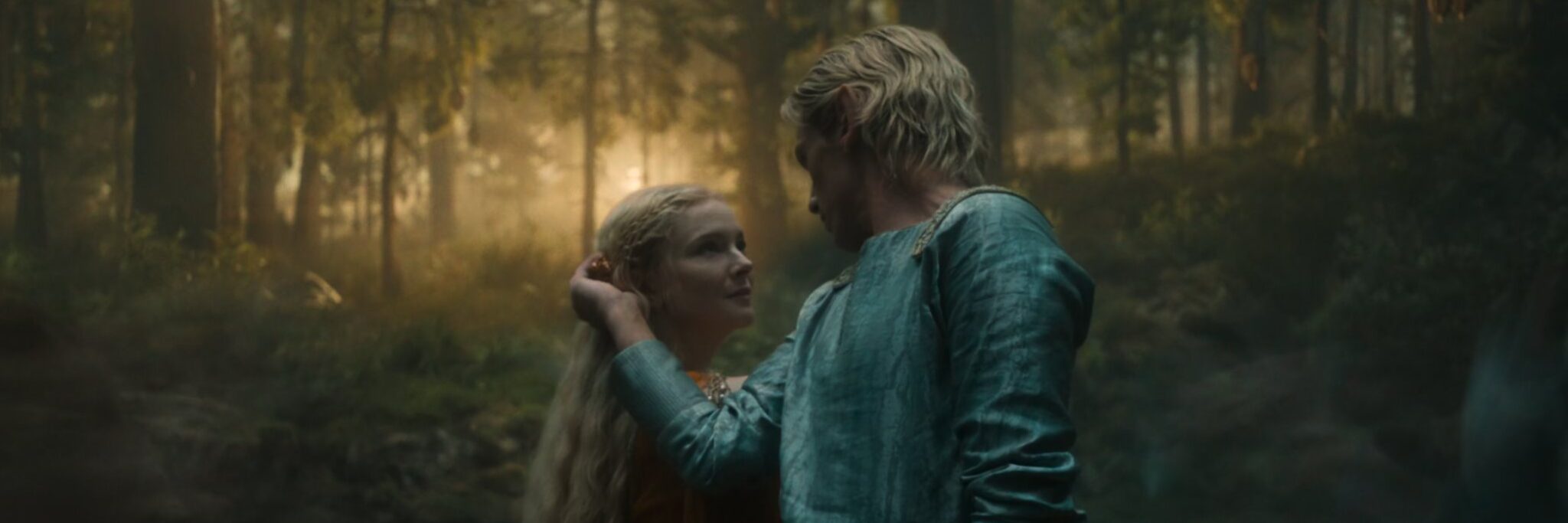
    This season, we’ve been introduced to Celeborn, Galadriel’s husband—and honestly, they have great chemistry. Jaime and Morfydd act like they’ve known each other for years, in a way where neither is above the other. They’re fantastically equal, and that kind of bond is something we don’t see enough of in recent entertainment media.

    The whole missing-captured Celeborn arc and his reunion with Galadriel at Gundabad was such sweet exposition—it added warmth and beauty to the show, especially since, from the end of last season until now, we’ve mostly been seeing wars and battles.

    Another thing I felt from this reunion was that it showed the emotions Galadriel hid—from others and from herself—as if she were building a hard shell around her persona. But when she sees Celeborn at Gundabad, she shows so much joy and excitement, something we haven’t seen from the commander of the northern armies before :)

    The relationship between Celeborn and Galadriel showed that behind all the sorrow, the dedication to defeating Sauron, and all the hardships she carries, Galadriel is still the same Noldorian elf who wants to dance in the forests of Doriath with Celeborn.


  • Ring a Ring o’ Roses

    Ring a Ring o’ Roses

    Ring-a-ring o’ roses,
    A pocket full of posies.
    A-tishoo! A-tishoo!
    We all fall down!

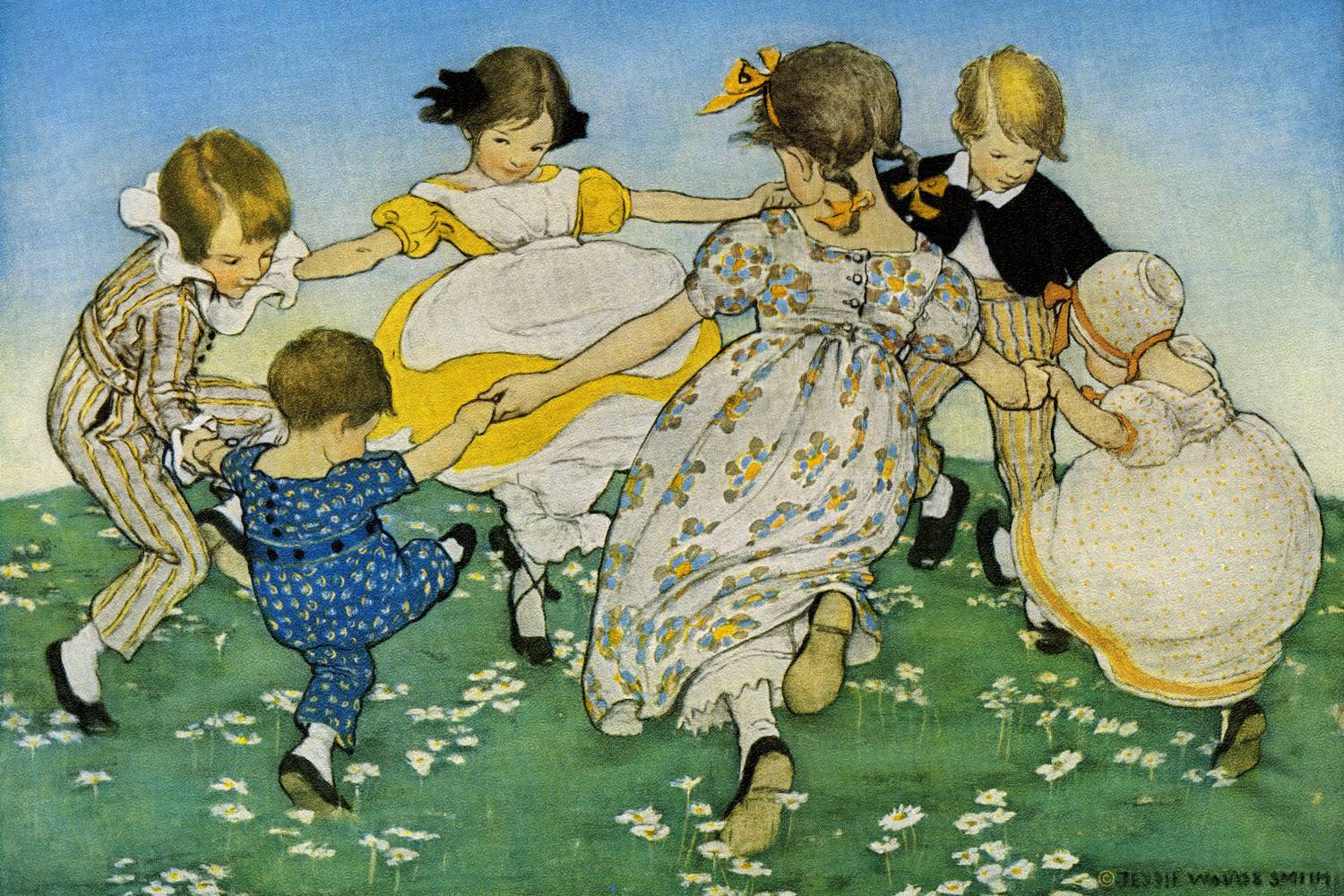
    This rhyme, is a famous nursery rhyme from over a century ago, and parents sang it to their children. Although it is not certain when it was made, some scholars say it was made at the end of the 19th century or the beginning of the 20th century.

    I didn’t know about this rhyme until recently, when I was listening to Roses by CHVRCHES, and I was thinking—extensively—on what does it mean?!!

    Then I searched for it and read about it. Despite its origin being unknown and the story being a myth, some say it might have originated during the Great Plague, when doctors used “posies”, herbs, and flowers to keep themselves safe from the plague, and people “a-tishoo”ed (sneezed), fell down, and lost their lives :(

    Well, the myth really clicks when you compare parts of the rhyme with the actual events of the Great Plague. But according to Stephen Winick’s post on this rhyme, there is no direct evidence that it is related to the Great Plague, especially since there is a 200-year gap between the plague and the rhyme.

    And those who know me might know how my mind works :) It’s a linked network of thoughts, memories, and echoes, each tagged with key elements. The phrase “pocket full of posies” felt so familiar that it linked itself in my mind to a song I used to listen to a lot a while back: Ashes by Stellar.

  • Life’s Theme

    Life’s Theme

    See the sun set,
    The day is ending
    Let that yawn out,
    There’s no pretending

    I will hold you,
    And protect you
    So, let love warm you
    ’til the morning

    I’ll stay, with you
    By your side
    Close your tired eyes
    I’ll wait, and soon
    I’ll see your smile
    In our dream

    And I, won’t wake before you go
    And I, still hear your heart beat

    Feel the wind rise,
    A dawn we’re bound to
    Watch that star die,
    Eons without you

    I’ll stay, with you
    In your mind
    Every single day
    I’ll wait, and soon,
    We’re stranded on the beach
    In our dream

    We part, too soon
    But in our lies
    There’s a truth to find
    The end, is new
    A tomorrow we must reach for
    To be heard

    See the sun set
    The day is ending
    Let your heart sigh
    See the sun set
    See the sun set

    Though I, can’t stay with you
    Oh I, won’t stray away from the truth
    I, remember your warmth (I still remember)
    And I’m, still learning to love anew
    And I, woho-oh-oooh

    See the sun set
    The day is ending

  • Histoires Parallèles

    Histoires Parallèles

    The road goes ever on and on, down from the door where it began.
    — J.R.R. Tolkien, The Fellowship of the Ring

    Perhaps every life is made of parallel stories, the one we live and the countless ones that remain somewhere beyond it, shaped by roads not taken, words left unsaid, and moments that might have changed everything.

    Sometimes two paths run beside each other for a while, close enough to seem destined to meet, before quietly drifting apart. Somewhere, perhaps, another version of the story continues differently, arriving at a place this one never could.

    We are never given those pages, only the one unfolding beneath our feet. So we carry what remains of the stories that mattered, even when they leave an invisible weight behind, and let the unwritten ones return to whatever distance they came from.

    The road goes on, and perhaps that is the only ending we are ever promised. Yet roads have a strange way of turning, crossing, and finding their way back to places we thought we had left behind. Perhaps, somewhere beyond the horizon, the road we once longed for is still waiting. And perhaps, when the roads have wandered far enough, some paths find their way back to where they were always meant to meet.

  • conscientiousness

    The personality trait of being careful, diligent, and organized. A conscientious person wants to do a task well and takes their obligations to others seriously.

  • insouciance

    insouciance is lack of concern shown by a person

  • Don’t cry because it’s over, Smile because it happened

    Don’t cry because it’s over, Smile because it happened

    توی زندگی، خیلی از آدما (از جمله من) بعد از هر اتفاق ناراحت کننده ای غرق در غم، فکر و “سیاه چاله ای از تنهایی” می‌شن.

    وضعیتی شبیه “Loneliness of Too Much Time”، که حس می‌کنی زمان متوقف شده، ولی برای تو نه! دنیا فریز شده، ولی تو حس نمی‌کنی و در یک جهان ایستا در حال قدم زدن هستی. مدام تلاش می‌کنی که از سیاه چاله خارج بشی، فراموش کنی یا چیزی رو حس کنی، اما موفق نمیشی :(

    زمان، ممکنه به تدریج کاری کنه که اصلا یادت بره توی سیاه چاله هستی، اما ممکنه فقط باعث بشه ثانیه های بیشتری به سیاه چاله نگاه کنی.

    در این وضعیت آشفته، یاد یک جمله از دکتر زوس1 افتادم: “به خاطر اینکه تموم شد گریه نکن، به خاطر اینکه پیش اومد لبخند بزن“.

    این جمله خیلی جا ها بهم کمک کرد، هر وقت یادش می‌افتم کلا متوجه میشم اون سیاه چاله کلا وجود نداشته! و من اطرافم رو فقط اونطور تصور می‌کردم. غم، همیشه بعد از دوره ای از خوبی ها رخ میده و هنر اصلی زندگی اینه که غم رو هم بخشی از زندگی بدونیم. مثل فیلم های درام که رولر کوستری از خوبی و غم هستن. غمِ بعد از دوره خوشی رو نباید بولد کرد، چون باعث میشه خوشی ها فراموش بشن. “لبخند بزن به خاطر اینکه رخ داد” و به خوبی ها و خوشی های رخ داده فکر کن.

    البته من هیچ وقت نتونستم غم ها رو فراموش کنم یا حذفشون کنم. اما به تدریج تونستم باهاشون کنار بیام، نسبت بهشون بی حس بشم و به عنوان بخشی جدانشدنی از زندگی بپذیرمشون.

    1. از Atkin’s Bookshelf’s Famous Misquotation:
      این نقل قول رو من این همه سال از دکتر می‌دونستم، در صورتی که در موردش تحقیق کردم و متوجه شدم که این نقل قول، ترجمه بخشی از شعر Bright Days از یک شاعر آلمانی به نام Ludwig Jacobowski هستش ↩︎

  • Yearning

    a tender or urgent longing; missing someone or something.